

Key Takeaways:
Understand what core values are and why they’re important.
Learn two frameworks for understanding your business culture.
Discover 5 practical steps to take to start becoming a more values-driven retailer.
Many retailers created their mission statement when they were trying to get their business off the ground, often because someone required it. A lender needed a purpose statement. A website needed an About page. A pitch deck needed something heartfelt. And then, as the business grew, everything evolved—except those core values.
What you stand for today might look nothing like the version of your business that wrote that first paragraph years ago. Customers have changed. Your market has changed. Your team has changed. Your priorities have changed. But your values, the ones guiding the biggest decisions, may still be stuck in the past.
Today, customers are more discerning, and employees are more purpose-driven. And businesses with clearly defined, actively lived values consistently outperform their competitors, both culturally and financially.
Join us as we explore what core values are and why they matter. We’ll also share some practical frameworks and action steps to get you started on the right path.
“82% of shoppers want a brand’s values to align with their personal values and 75% of this group claimed they’d part ways with a brand if there was a values conflict.”
– Harris Poll
The What and Why of Core Values
Core values are the fundamental beliefs, principles, or ideals that guide an organization’s behavior and decision-making. They’re the non-negotiables—what your company stands for at the deepest level.
Values influence how you hire, how you market, how you communicate, how you recover from mistakes, how you treat customers, and how you make big decisions. And they’ll keep you focused during shifting seasons.
Your core values create a sense of belonging for employees as well. They give team members a reason to stay. Purpose-driven companies experience 40% higher retention, per research from Deloitte.
And values impact customers because they tap into identity. Shared beliefs create connection with all generations of shoppers. When people see their own values reflected in a business, they feel ‘this is my kind of place.’ That emotional alignment pays off. Per data from a recent Harris Poll, 82% of shoppers want a brand’s values to align with their personal values and 75% of this group claimed they’d part ways with a brand if there was a values conflict.
“Values impact customers because they tap into identity. When customers see their own values reflected in a business, they feel ‘this is my kind of place.’”
– Jennifer Shaheen
President and Founder, Technology Therapy® Group
2 Frameworks to Understand Your Business Culture
To clarify or refresh your values, it helps to understand your existing culture. Here are two useful frameworks we recommend for analyzing yours.
1. The Golden Circle Framework
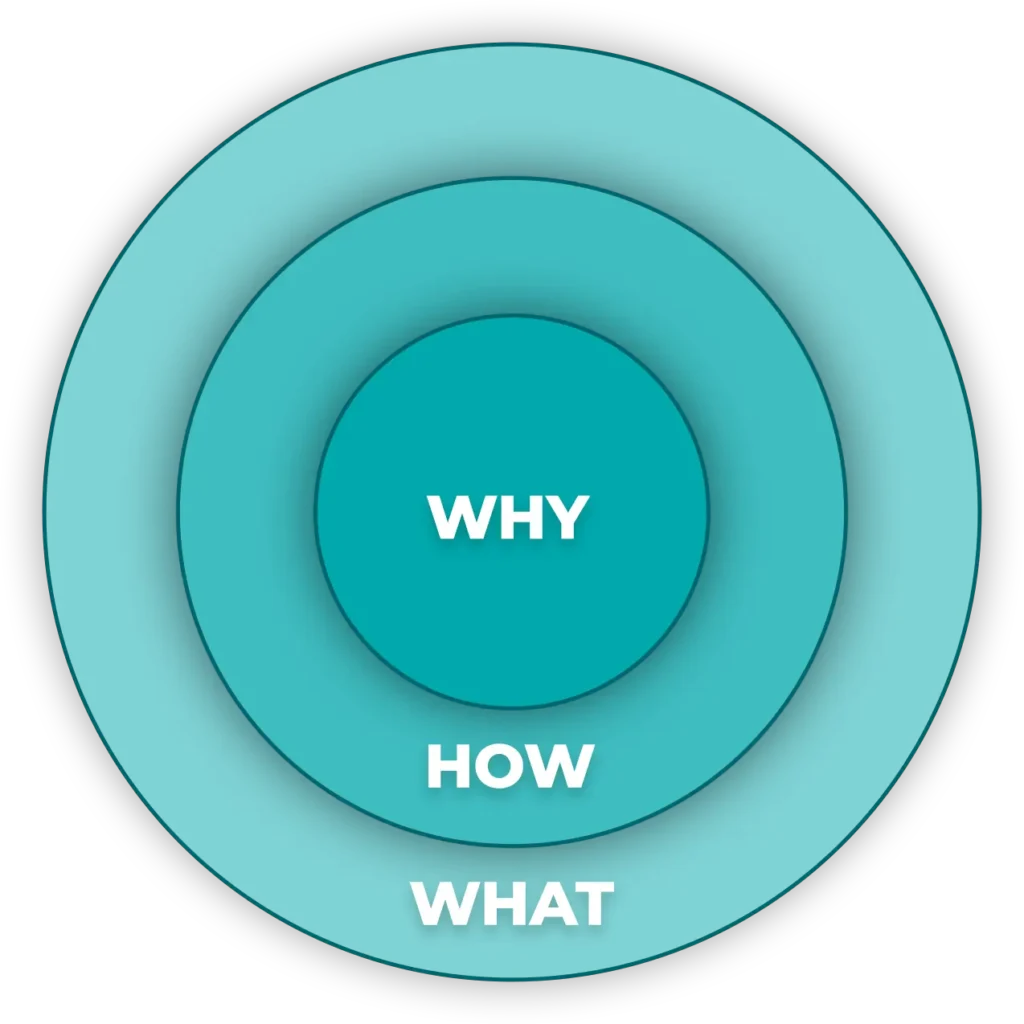
Simon Sinek’s Golden Circle is a simple but surprisingly powerful way to think about what drives your business. It starts at the center with your Why: your purpose, the belief that fuels everything you do. Around that sits your How: the unique processes, service style, and experience you deliver. Only after that comes your What: the actual products or services you sell.
Most businesses communicate from the outside in (“Here’s what we sell”), but customers connect from the inside out. Your Why is what draws people to you emotionally, not logically—and it’s the part they remember long after the transaction.
2. The Competing Values Framework
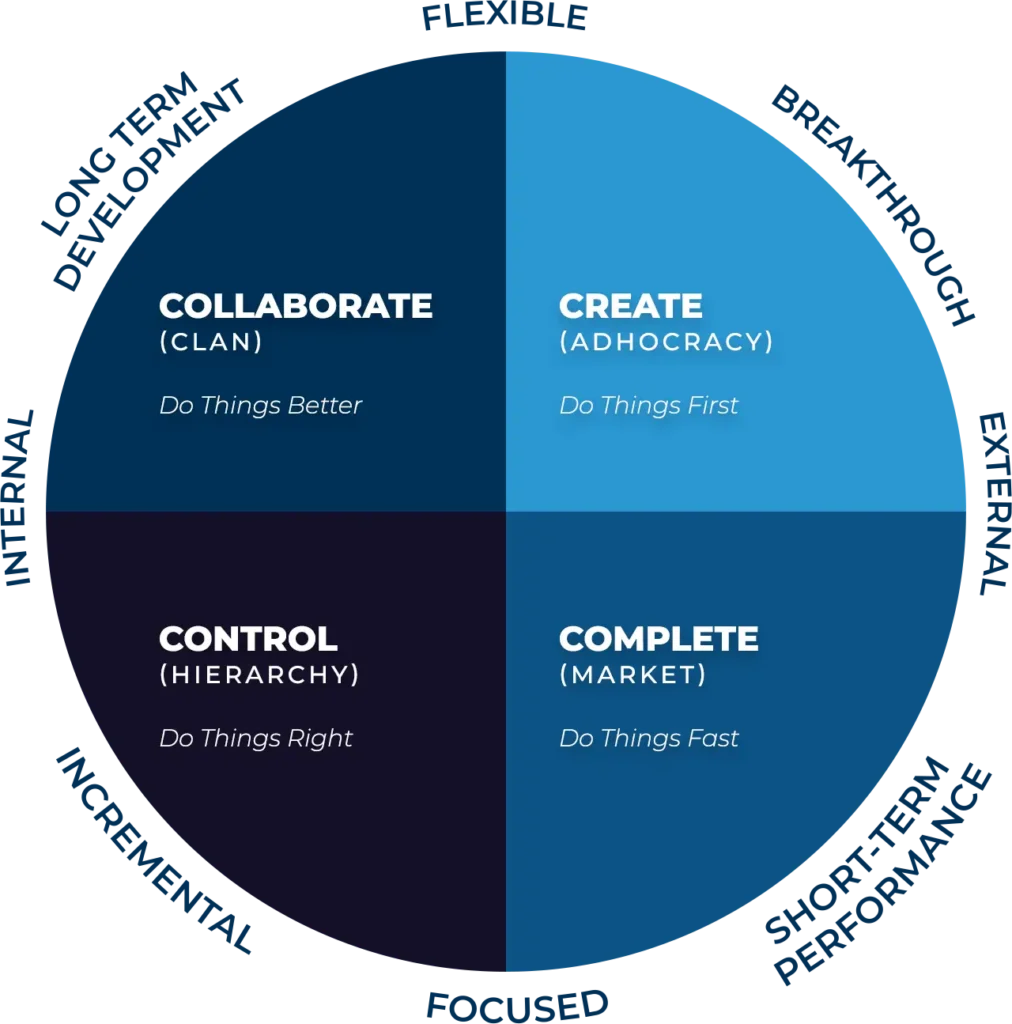
To clarify or refresh your values, it helps to understand your existing culture. One useful tool is the Competing Values Framework (CVF), created by Kim Cameron, PhD. Retailers who have been in business for several years often find this model eye-opening. CVF maps company culture across four quadrants:
- Clan / Collaborate
A family-style environment where teamwork, communication, and support come first. Warm, people-centered, and relationship-driven. - Adhocracy / Create
Innovative and flexible. These businesses take risks, try new ideas, and experiment with fresh approaches—often thriving on change. - Hierarchy / Control
Structured, consistent, and process-oriented. Reliability, accuracy, and efficiency are core priorities, and systems tend to be well defined. - Market / Compete
Results-focused, growth-driven, and oriented toward achieving goals. These companies value performance, competition, and measurable outcomes.
Most businesses fall into more than one quadrant. You might lean Clan in your staff culture but lean Market in your sales goals. The key is clarity. CVF helps retailers recognize where they naturally lean and which cultural attributes might help them grow.
CVF also highlights a truth most retailers never consider: a healthy business must juggle internal vs. external focus and flexibility vs. stability. Your values help strike that balance.
5 Action Steps to Become a More Values-Driven Business
Sometimes the hardest part to becoming more values-focused is getting started. Here are 5 steps to help you ditch the overwhelm and start aligning your business with the key qualities in your DNA.
1. Define Your Values
Start with open conversations. Talk with your team, vendors, long-term partners, and loyal customers. Next, review your customer reviews, which can be full of clues.
When narrowing down your values, it’s important to be concise. Less really is more when it comes to articulating your core values. So, refine your list to a handful of words or short statements.
2. Put Them in Writing
Publish your values internally and externally on your website, social media, staff materials, and hiring documents.
3. Review Your Operations and Messaging
Policies, SOPs, team expectations, website copy, and customer experience should all reflect your values.
4. Roll Out Changes Thoughtfully
Set realistic milestones like:
- “Rewrite mission statement by X date”
- “Refresh website About page by X date”
- “Add values section to staff training by X date”
5. Track Your Progress
Values are powerful. But only if practiced, measured, and revisited. So, use values-based metrics such as:
- Month-over-month sales tied to values-centric campaigns
- Customer retention
- Review ratings
- New customer acquisition
- Employee turnover
- Engagement across key marketing channels
“Just as your business is evolving, so will your core values. Regularly update your marketing to reflect that – everywhere from your website to your socials.”
– Jennifer Shaheen
President and Founder, Technology Therapy® Group
Where You Stand Shapes Where You’re Going
Just as your business is evolving, so will your core values. Regularly update your marketing to reflect that – everywhere from your website to your socials.
When your core values are clear, communicated, and embedded everywhere, everything feels more cohesive and intentional. Your team knows what you stand for. Your customers feel it the moment they interact with you. And you, as the owner, gain a steady compass for every decision you make.
Let your values guide every new idea, partnership, opportunity—and decision about what not to pursue. When your values lead the way, your business will stay true to itself and become even stronger in the months and years ahead.
Need Help Defining Your Core Values?
Let the TTG pros help!