
Key Takeaways:
Storytelling now outperforms product alone, on the runway and on your product pages.
Blending new and old, in inventory and in marketing tactics, reflects how customers actually buy today.
A change of venue or a milestone you already have can refresh your story without a dollar spent on new product.
Small, well-designed physical moments (a pop-up, a hospitality touch, a scarcity drop) build word of mouth that ads can’t buy.
AI and personalization work best as something a customer experiences and shares, not just backend software.
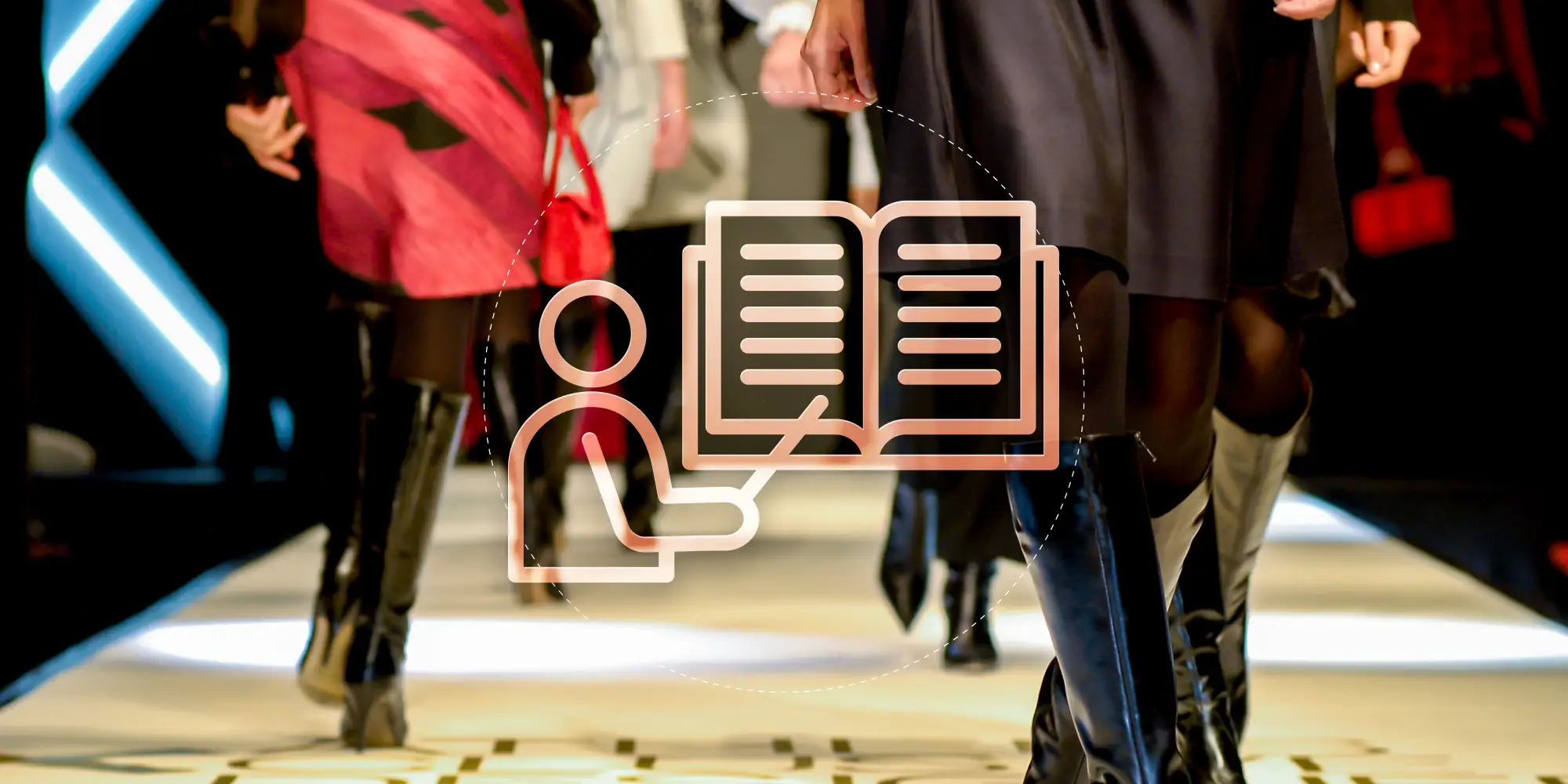
New York Fashion Week Spring 2027 wrapped a few weeks ago, and what struck me wasn’t a silhouette or a color (though I really liked the Marigold trend coming). It was how much of what worked this season was revised and reworked for a new generation of buyers.
Fashion has always cycled through its own history, but this season felt different. Designers weren’t just bringing back a texture or a decade; they were blending eras and audiences on purpose, because today’s customer base is wider and more varied, and everyone needs to feel like the collection was made with them in mind.
I recognize this pattern because I’ve been discussing similar strategies with retail and service business owners for over ten years. The current tactics—such as press releases, local outreach that helps AI grasp your business, community engagement, personalization with data, and combining physical and digital experiences—are longstanding concepts modified to match today’s ways customers find and purchase from businesses.
Here are ten things I watched happen at NYFW this season, and what they mean for a retail or service business built to compete on relationships, not on being the cheapest option in the market.
“The tactics working right now aren’t new ideas. They’re foundational ideas, reworked for how customers buy and discover businesses today.“
– Jennifer Shaheen
President and Founder, Technology Therapy® Group
1. Sell the Story, Not the Product
More shows this season moved away from clothes just on a model or a rack toward telling the story behind the collection. Theory had the designer narrate each look as it came down the runway. To me, this is an homage to the original Fashion Salon days. Other brands staged shows inside their own design workshops so guests saw where the ideas started. This reminds us that everyone wants to understand the components and inspiration of the final product.
You don’t need a runway to do this. Pick your ten best sellers and give each one a real story: who makes it, why it exists, how it’s meant to be used. Put that story on the product page, social media, train your team, and use these ten items as part of an article or email. Share the story everywhere and see what connects with your different audiences.
2. Change the Room, and You Change the Story
Michael Kors showed outdoors in the MoMA garden. Thom Browne built an indoor garden set. Tory Burch wrapped a catwalk around an outdoor fountain. Changing the environment impacts how the fashion is perceived and adds an additional experience for the audience.
How can you change your environment? This can include both physical and digital rooms; create a special area in your store for a shopping promotion not just a season, host a pop-up at a local event, set up special landing pages or experiences on your website, or launch a digital pop-up. We all need to remember to think outside the box.
3. Leverage the Moments That are Yours
Anniversaries drove a surprising amount of the energy this season. Coach marked 85 years with party hats and gift-wrapped accessories on the runway. Rachel Comey celebrated 25 years. These weren’t new launches; they were existing milestones turned into a reason to pay attention.
This isn’t a new idea, but it’s one few businesses use to mark the moment: a press release or local story about your tenth anniversary, your ten-thousandth customer, or a long supplier partnership gives AI and local media something concrete to find and repeat about your business. Map your milestones for the next two years and build small and creative campaigns around each one.
4. Give Old Content a New Layout
Blue ran through the season on Tommy Hilfiger blazers, Tory Burch dresses, and Diane von Furstenberg’s collaboration with Henry Zankov. InStyle’s Kevin Huynh put it simply: a color story is a cheap way to make a range feel new coming out of winter.
The same logic applies to your marketing library. Before you write another new post or caption, look at what you already have—a customer story, a product explainer, an FAQ answer—and give it a new layout, a new format, or a new headline.
5. Blend New Stock with Resale and Archive
Older pieces showed up across the runways this season. Tanner Fletcher showed alongside sourced vintage. Sanderlak mixed recent collections into its new one. eBay brought in designers to contribute archival pieces, as it has for several seasons now. As Glossy’s Danny Parisi put it, this better reflects how people shop: nobody buys only new, or only from one brand.
This is the same blending instinct behind the milestone idea above, applied to inventory. A trade-in program, a curated secondhand corner, or a small consignment shelf or section on your website can attract a different customer than your new stock alone, and it signals that you understand how people shop today.
“A change of venue, a milestone, or a piece of content you already own can make your business feel new again, without a single new product.“
– Jennifer Shaheen
President and Founder, Technology Therapy® Group
6. Add One Hospitality Gesture, and Keep It Repeatable
This season, brands enhanced the experience for attendees. Coach’s 85th anniversary show offered snacks and shrimp towers, while Retrofête served lychee martinis, creating a lounge-like atmosphere instead of a traditional showroom.
A physical store’s biggest edge over eCommerce is the room itself. You don’t need a full bar; you need one small, repeatable gesture (such as a signature mocktail, a special seat, a genuinely useful perk for your best customers) that makes someone say to their friends, “They do something extra that makes me feel special.” Add one to your in-store or digital fulfillment experience and something special for your loyalty tier; and keep it consistent enough that customers start to expect it.
7. Design Your Pop-Up, or Your Storefront, as a Service
Calzedonia’s SoHo pop-up worked as a recharge stop between shows, offering personalization, a beauty touch-up station, and matcha, not just its tights. IPSY ran a touch-up cart giving away on-the-go essentials. Neither brand led with a hard sell; they led with something useful.
Ask what your customer needs in the moment they’re near your store or booking your service and offer that first. A jeweler might offer an inspection, repair, and appraisal service at an external event, providing guidance and answering questions for people to know what to do with their jewelry. A boutique might offer styling help with no obligation to buy. Selling comes after the service, not instead of it.
8. Borrow Relevance from an Unexpected Partner
Brands with no obvious connection to fashion showed up this season. An energy drink brand collaborated with a designer on a couture gown. A pasta brand backed a hand-stitched dress. An injury law firm staged its own five-look “The Slip & Fall” runway collection. None of these brands were in the fashion category, and all of them earned attention because of it.
You don’t need an obvious partner to collaborate with. Find a local business, artist, or designer that’s adjacent to yours but not a competitor and co-create something small together instead of a shared discount code. The unexpected pairing is what gets people talking. This idea isn’t just for local businesses; online brands can use it too, with social crossovers and shared-products sections on each website.
9. Run a Real, Small, Limited Drop
Burger King sold a nugget-sized purse for $3.99, the same price as a ten-piece nugget order, in a run of 100 bags a day. It sold out within seconds, every day it ran.
The lesson isn’t the purse; it’s the constraint. A genuinely limited release, with fixed units and a fixed window, priced or themed around something specific to your business, creates urgency without a discount. Announce the release on social or other platforms and let scarcity do the marketing for you.
10. Make AI and Personalization Something Customers Can See and Share
A Korean fashion pop-up in SoHo let visitors build personalized, AI-styled lookbooks and share them for prize draws. Calzedonia offered on-the-spot embroidery personalization. In both cases, AI and personalization were the attraction, not backend software the customer never sees.
For the past few years, this has been where I’ve spent most of my time with clients, and it’s the clearest theme of the season for our industry. A personalization option at checkout, a styling tool, or a simple way for a customer to see themselves reflected in what you sell, turns AI from something you use internally into something your customer experiences and shows their friends.
None of these ten moves require a runway budget. What they require is the same thing fashion proved again this season: that blending what already works with what’s new, in your inventory, your story, and your tools, is how you stay relevant to every generation of buyer walking through your door.
Let’s Make These NYFW Lessons Work for You
Reading about storytelling, milestones, and personalization is one thing. Building a plan around them for your specific business is another. A Technology Therapy coach can help you take the lesson that resonated most and turn it into a real, actionable strategy, without guesswork or a fashion-week budget.